1
How Cupping Fits a Real Muscle Recovery Routine
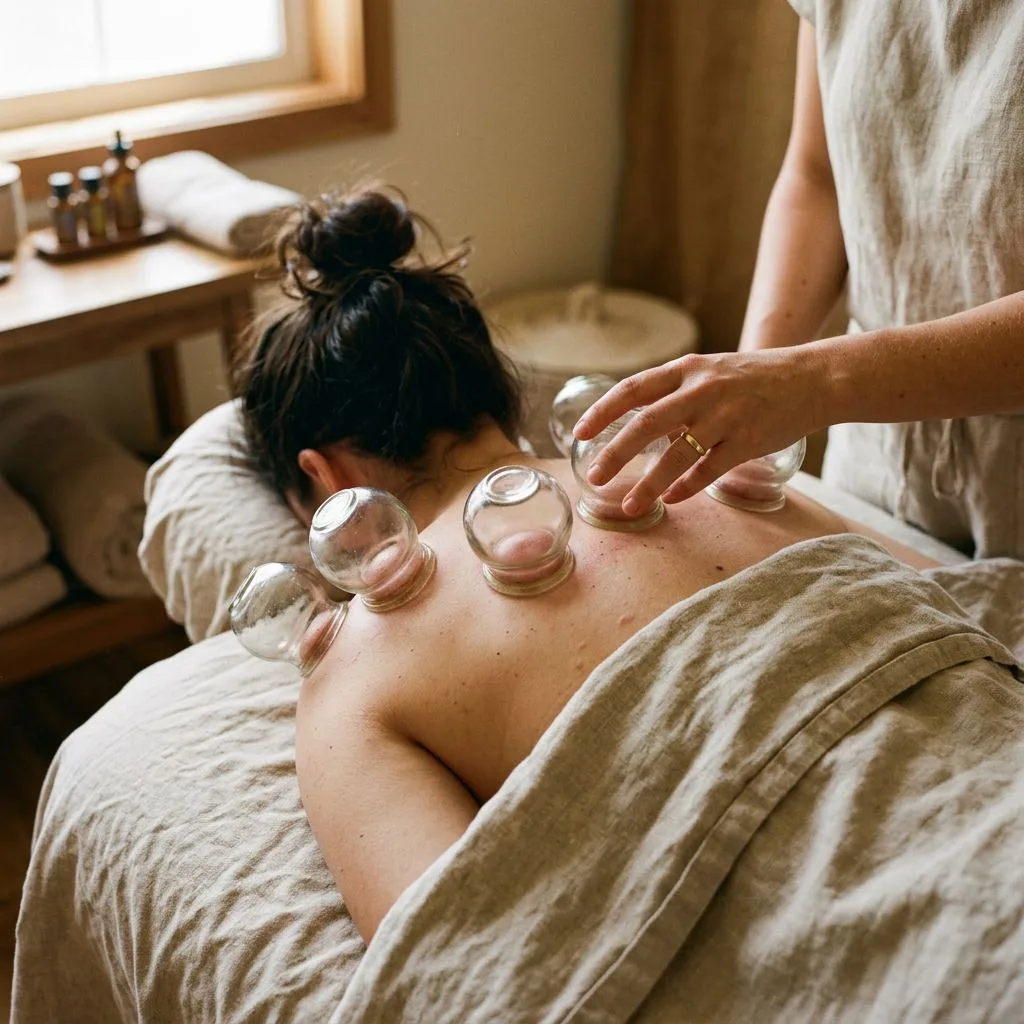
Cupping is a piece of recovery, not the whole thing, and we are upfront about that. A lot of the active clients who book athletic recovery cupping with us drive in from Rocky River and Bay Village, and the request is always the same: a session that respects the body without overpromising. The parts of a recovery routine with the most evidence behind them are unglamorous: sleeping enough, drinking water, eating, and giving sore muscles time before you load them again. Massage has a cautiously encouraging research record for muscle pain, which is why we lean on it. Cupping rides along as a comfort step that many active people simply like the feel of. We use it to warm up a tight area before deep tissue work, or to spend a few extra minutes on a spot that will not give. The goal is feeling looser and more comfortable, not a physiological cure.
- Sleep and rest do the real repair work, especially after hard training days
- Hydration and food matter more than any add-on at the spa
- Deep tissue or sports massage is the centerpiece, with the stronger evidence base
- Cupping is the complement: a few minutes of suction to help a tight area feel less bound up
- Easing back into training, not pushing through pain, protects you from real injury
2
Cupping and Deep Tissue: Why We Pair Them for Recovery in Westlake
For recovery, we rarely offer cupping as a standalone. We pair it with deep tissue or sports massage because the hands-on work is the part research supports more. A typical session might open with a few minutes of cupping over your tightest area, often the upper back, low back, calves, or quads, to bring a deep-stretch sensation to the surface tissue. From there your therapist moves into focused deep tissue work on the muscles you actually used: hamstrings and glutes for runners, lats and traps for lifters, calves and IT band for anyone who pounds pavement on the Westlake and Rocky River trails. You stay in control of pressure the whole time. Firm and purposeful is the goal; sharp pain is not.
3
Cupping for Runners Around Westlake and Rocky River
Runners are some of our most regular recovery clients, and the complaints are consistent: tight calves, locked-up hamstrings, a low back that stiffens after long efforts on the Rocky River Reservation or the Westlake Greenway. Cupping over those areas gives a stretched, lifted feeling that many runners say helps them feel less tight before a massage digs in. We are careful about placement. We do not cup directly over a fresh strain, a hot spot you suspect is an actual injury, or anything that hurts to touch. If you think you have tweaked something rather than just overworked it, that is a conversation for a doctor or physical therapist, not a cupping session.
- Calves and Achilles area, common after long runs and hill work
- Hamstrings and glutes, the muscles that carry you through a stride
- Low back and hips, which tend to stiffen after distance efforts
- IT band and outer thigh, frequent trouble spots for higher-mileage weeks
4
Post-Workout Cupping for Lifters and Gym Regulars
If you train with weights, you know where you hold it: traps and rhomboids after a heavy pull, lats and mid-back after rows, quads and glutes after a leg day that follows you up the stairs for two days. Post-workout cupping over the broad muscles of the back and shoulders gives a different sensation than pressing-down massage, a lift-and-stretch under the skin that a lot of lifters enjoy between training blocks. We treat it as comfort and feel, not as a performance enhancer. There is no good evidence that cupping makes you stronger, recover faster on a stopwatch, or builds muscle. What our lifting clients tell us is simpler: the area feels less tight, and that is reason enough to use it as part of an off-day routine.
5
What the Marks Are, and the Timing for Athletes
The round marks cupping leaves are the most misunderstood part of it, so let's keep it plain. Suction pulls surface tissue into the cup, which breaks tiny blood vessels just under the skin, and a little blood pools there. That pooled blood is the discoloration you see, red, purple, sometimes darker, tracing the rim of the cup. It is the same thing that happens with a bruise. It is not toxins, not lactic acid, not stagnant blood being released, and a darker mark does not mean more was accomplished. It just means more capillaries pooled in that spot. Marks are usually painless and fade in three to seven days. NCCIH also makes one practical point worth knowing: mention your cupping to any clinician who sees the marks, so symmetrical circles on your back are not mistaken for something else.
- Marks are pooled blood from tiny capillaries, the same biology as a bruise
- They typically fade in three to seven days
- Color does not measure benefit; a darker circle is not a better result
- Book seven to ten days before a race photo, beach trip, wedding, or event
- Tell your doctor about recent cupping so the marks are not misread
6
Honest Limits: What Cupping Will Not Do
We would rather set expectations clearly than have you leave disappointed. Cupping is a low-evidence traditional practice. The NCCIH cupping fact sheet makes no efficacy claims at all, and the broader chronic-pain research it summarizes gives most of its cautious support to massage, acupuncture, tai chi, and yoga, not cupping. So we frame the benefits experientially: many guests find the area feels looser, the deep-stretch sensation is pleasant, and the session is a relaxing way to spend recovery time. What cupping does not do is flush toxins, drain lactic acid, improve circulation to heal tissue, reduce inflammation, mobilize blood, treat a disease, or fix an injury. If something hurts in a way that worries you, see a provider. Cupping should never delay real medical care.
7
Safety, and Who Should Skip Cupping
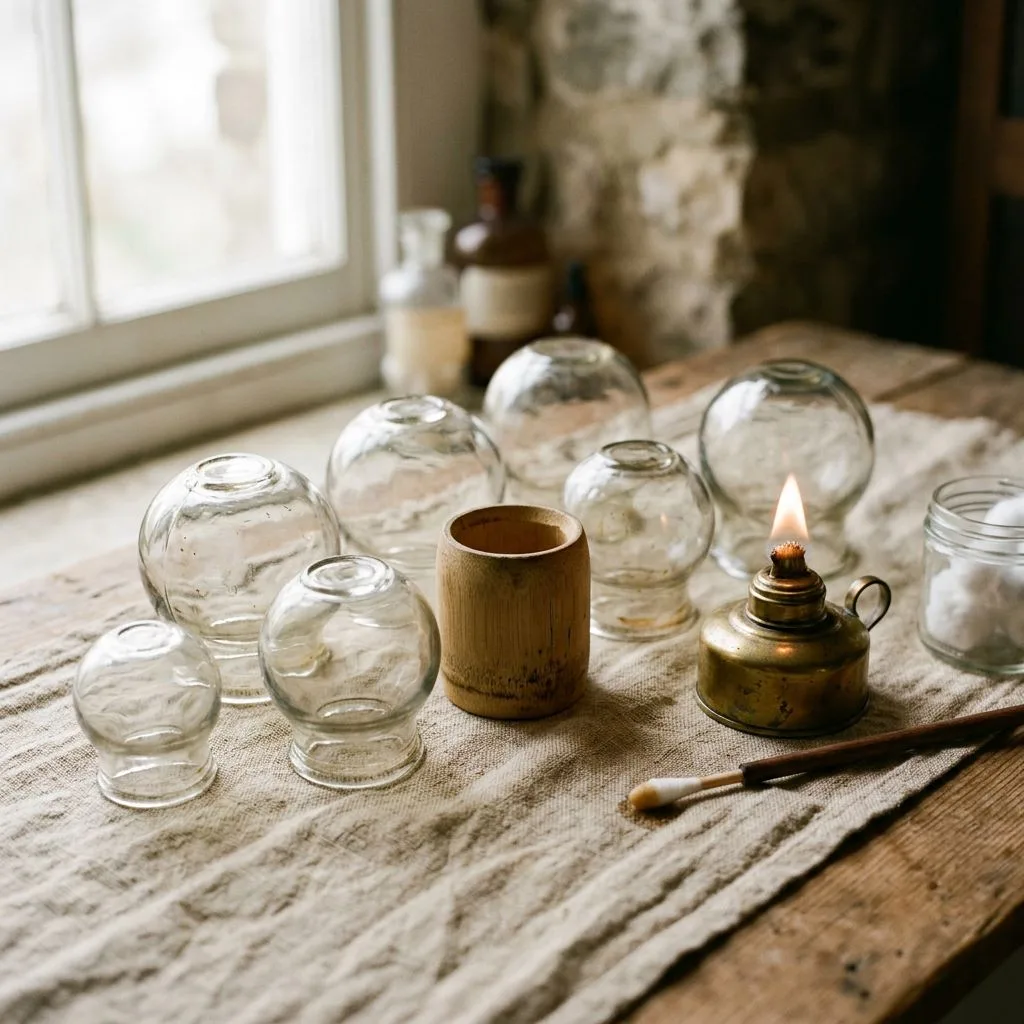
Dry cupping is generally low-risk for healthy people when done carefully, but it is not for everyone, and a few situations are genuine reasons to wait or skip it entirely. We go over your history before we place a single cup, and we keep equipment clean and use it appropriately. If any of the items below apply to you, tell us when you book so we can adjust placement, skip cupping in favor of massage alone, or ask you to check with your provider first.
- Blood thinners or a bleeding disorder, which make marking and bruising more pronounced
- Fragile, broken, or irritated skin, open wounds, or an active skin infection
- An eczema or psoriasis flare, which suction can worsen
- A fresh injury or a spot that is painful to the touch; we do not cup over those
- Certain pregnancy placements, which we avoid and discuss with you first
- Anything you are unsure about; when in doubt, ask your doctor before booking
8
Booking Recovery Cupping at Our Detroit Road Studio
Care Healing Hands is at 26059 Detroit Rd in Westlake, easy to reach from Rocky River, Bay Village, North Olmsted, Avon, Fairview Park and Lakewood, with free parking right outside the door. We keep the space quiet and the pace unhurried, so a recovery session feels like a real break rather than another thing to rush through. Because we pair cupping with deep tissue or sports massage for recovery, tell us when you book that you are coming in sore from training so we can plan the time around the muscles you actually worked.
- 26059 Detroit Rd, Westlake, OH 44145, free parking outside the door
- Open Tue to Sat 11 to 6, Sun 12 to 3; closed Monday
- Call (216) 551-7622 or book online anytime
- Mention your sport and sore areas so we plan the deep tissue work to match